Discretionary Trading vs Algo Trading: Best Strategy 2026
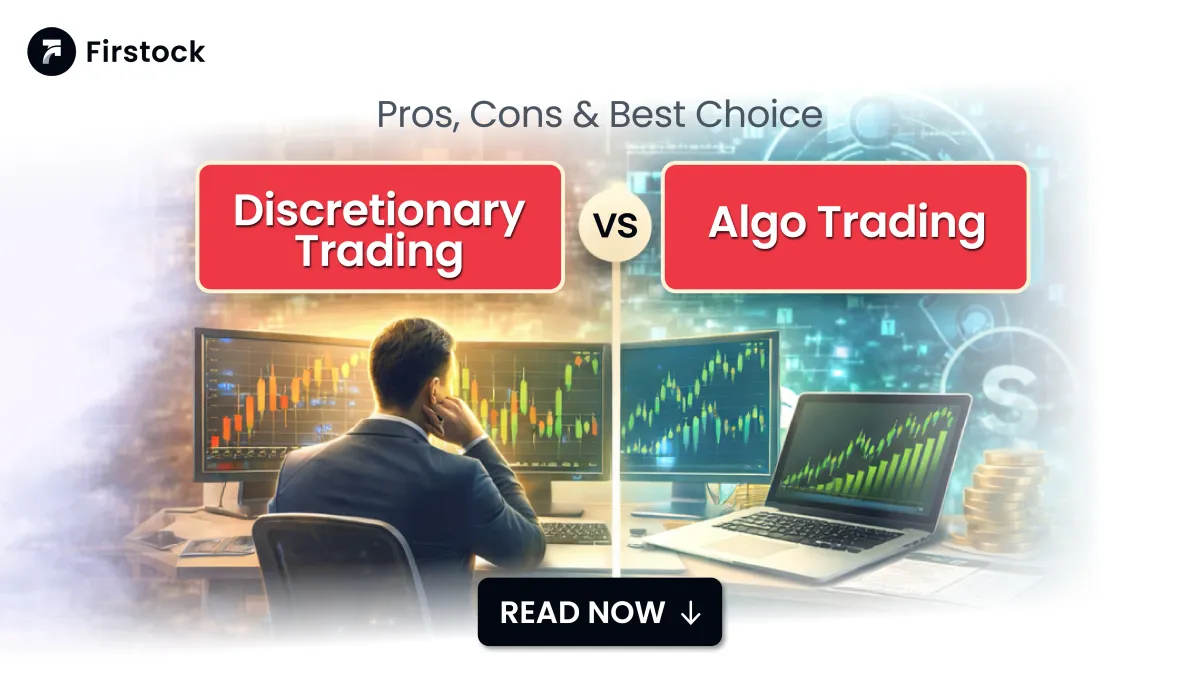
Discretionary Trading vs Algo Trading: Meaning, Differences, Pros, Cons & Best Strategy (2026 Complete Guide)
Quick Answer
Discretionary trading is a manual trading approach where traders make decisions based on analysis, experience, and market conditions.Algo Trading (Algorithmic Trading) is an automated method where trades are executed using predefined rules without human intervention.
👉 The most effective approach today is Hybrid (Semi-Algo Trading).
Introduction: The Evolution of Trading in 2026
The stock market has transformed dramatically in the last decade. From traditional floor trading to fully automated systems, traders now have multiple approaches to participate in the market.
Today, the biggest debate among traders is:
👉 Discretionary Trading vs Algo Trading – Which is better?
The answer is not as simple as choosing one over the other.
In fact, modern traders are increasingly adopting a blended approach, combining human intelligence with machine efficiency.
As highlighted in your reference content, trading today is divided into two camps:
- Human-driven decision-making
- Machine-driven execution
Let’s break down everything in detail.
What is Discretionary Trading? (Meaning Explained)
Discretionary Trading Meaning
Discretionary trading is a trading style where the trader makes all decisions manually based on:
- Market analysis
- Price action
- News and events
- Experience and intuition
👉 Even when using indicators, the final decision always lies with the trader.
Key Characteristics of Discretionary Trading
- Human decision-making
- Flexible strategy
- Real-time adaptability
- Emotion-driven risk
- Experience-based execution
Example of Discretionary Trading
Imagine:
- Nifty breaks resistance
- RSI shows overbought
- Global markets are weak
👉 A discretionary trader may avoid the trade, even if indicators suggest buying.
This is where human intelligence beats rigid systems.
Advantages of Discretionary Trading
1. Adaptability to Market Changes
Markets react to news instantly. Humans can interpret and adapt faster.
2. Better Contextual Understanding
Humans understand:
- Market sentiment
- Macro events
- Behavioral patterns
3. Continuous Skill Development
Every trade improves:
- Decision-making
- Psychology
- Strategy building
Disadvantages of Discretionary Trading
1. Emotional Bias
- Fear
- Greed
- Revenge trading
These can destroy even the best strategy.
2. Screen Dependency
- Requires full-time monitoring
- Leads to burnout
3. Inconsistent Execution
Even experienced traders:
- Break rules
- Exit early
- Overtrade
What is Algo Trading?
✔ Algo Trading Meaning
Algo Trading (Algorithmic Trading) is the use of computer programs to execute trades automatically based on predefined rules.
These rules can include:
- Moving average crossover
- Breakouts
- Volume spikes
- Arbitrage opportunities
👉 Once conditions are met, the system executes trades instantly
Key Features of Algo Trading
- Fully automated
- Rule-based execution
- High-speed processing
- Backtesting capability
- Zero emotional interference
Advantages of Algo Trading
1. Emotionless Trading
- No fear
- No greed
- No hesitation
2. Speed & Precision
- Executes trades in milliseconds
- Captures opportunities instantly
3. Backtesting Power
- Test strategies using historical data
- Improves accuracy
4. Time Freedom
- No need to watch charts all day
- Passive execution
Disadvantages of Algo Trading
1. Technical Complexity
- Requires coding knowledge
- Or advanced platforms
2. Over-Optimization Risk
- Strategy may work in past
- Fail in real markets
3. Lack of Flexibility
- Cannot adapt to unexpected events
- Needs manual intervention
Discretionary Trading vs Algo Trading
Comparison Table
Hybrid Trading (Semi-Algo): The Future of Trading
Most successful traders today are not choosing between discretionary and algo trading.
👉 They are combining both.
How Hybrid Trading Works
- Algo scans market
- Generates signals
- Trader validates
- Trade executed
Example
- Algo detects breakout
- Alerts trader
- Trader confirms trend
- Trade is executed
Benefits of Hybrid Trading
- Speed of automation
- Intelligence of humans
- Reduced emotional errors
- Better accuracy
Which Trading Style is Best for Beginners?
Step-by-Step Approach
Step 1: Learn Discretionary Trading
- Understand price action
- Learn risk management
- Build trading psychology
Step 2: Move to Algo Trading
- Automate strategies
- Reduce emotional mistakes
👉 As mentioned in your reference content, starting with discretionary trading helps build a strong foundation before automation
Latest Trends in Trading (2026 Insights)
📈 Key Market Trends
- Retail participation increased significantly
- Algo trading adoption rising rapidly
- AI-driven trading tools gaining popularity
- Data-based strategies outperforming emotional trading
Important Market Statistics
- Over 60% of trades globally are algorithmic
- Retail algo adoption in India growing yearly
- High-frequency trading dominates volume
Choosing the Right Trading Platform
Your trading success also depends on the platform you use.
Why Firstock is a Smart Choice
Firstock is an India-based, SEBI registered broker designed for both beginners and advanced traders.
Key Features
- ₹0 brokerage on delivery
- ₹20 flat fee on intraday & F&O
- Advanced charting tools
- Fast execution
- Beginner-friendly interface
What Makes Firstock Unique
- No account opening charges
- No AMC charges
- Real-time market data
- Multi-asset trading
As highlighted, Firstock combines technology, affordability, and simplicity, making it ideal for modern traders
Expert Strategy: What Actually Works in 2026?
🔥 Best Approach
👉 Hybrid Trading (Semi-Algo)
Why It Works
- Combines logic + intuition
- Reduces emotional mistakes
- Improves consistency
- Adapts to market changes
Real-Life Scenario Comparison
Scenario: Market Crash
Practical Trading Framework
5-Step Winning Framework
- Learn basics
- Build strategy
- Test manually
- Automate partially
- Scale gradually
Conclusion
Understanding discretionary trading meaning and the power of Algo Trading is essential for modern traders.
Final Key Takeaways
- Discretionary trading builds skill
- Algo trading builds consistency
- Hybrid trading builds profitability
- Platform choice impacts success
- Risk management is everything
Final Recommendation
If you want to succeed in trading:
- Start manual
- Learn deeply
- Automate smartly
👉 And use a reliable platform like Firstock to execute both strategies efficiently.
Summary Points
- Learn discretionary trading first
- Use algo trading for scaling
- Combine both for best results
- Choose low-cost broker like Firstock
- Focus on discipline and consistency
FAQs
1. What is discretionary trading in simple terms?
Discretionary trading means making trading decisions manually using analysis, experience, and market conditions.
2. What is Algo Trading?
Algo trading is automated trading using computer programs that execute trades based on predefined rules.
3. Which is better: discretionary or algo trading?
Neither is better. Hybrid trading offers the best results.
4. Can beginners start Algo Trading?
Yes, but it is recommended to first learn discretionary trading.
5. Is Algo Trading profitable?
It depends on the strategy. There is no guarantee of profit.
6. Do I need coding for Algo Trading?
Not always. Many platforms offer no-code solutions.
7. What is the biggest risk in trading?
Emotions and poor risk management.
8. Can I combine both trading styles?
Yes, hybrid trading is the most effective approach.
Disclaimer: Investments in the securities market are subject to market risks. Read all related documents carefully before investing.